


Approved by Peso.Ccoe

Built as per asme, iso, Eu standards

5+ Automated Safety Interlocks

Service Network over The World
Explore our Range of Vaporizers Premium Lpg Vaporizers for your commercial/Industrial Needs

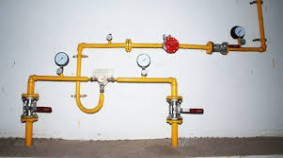
A well-designed LPG gas pipeline system is essential for any commercial or industrial space where uninterrupted, safe and efficient gas supply is required. Whether it’s a hotel kitchen, a bakery, a manufacturing unit or a workshop, a fixed LPG pipeline network ensures steady pressure, clean burning and smooth day-to-day operations.
Instead of frequently changing cylinders or dealing with pressure fluctuations, a properly installed LPG pipeline keeps the entire setup organized, reduces manual effort and improves workplace safety.
A centralized LPG pipeline system connects all cooking or heating points to a single gas storage area. This layout ensures:
Better pressure control
Neat and clutter-free kitchen or production area
Easier monitoring of safety valves and regulators
Reduced cylinder handling at usage points
This type of system is widely used in large commercial kitchens, food production units and industrial facilities where uniform gas flow is essential.
In a reticulated pipeline network, the main line is divided into multiple branches, each supplying a specific department or section. This ensures equal pressure for all connected points and avoids system overload.
It is a preferred choice for multi-unit facilities, commercial buildings and industries using different work zones that require continuous LPG supply.
Commercial kitchens demand stable flame quality and clean burning. For this reason, LPG pipelines are installed using approved pipes, reliable regulators, safety valves, and flame-proof fittings.
Browse SEPL’s regulators and valves: https://www.seplglobe.com/lot-450-kg-cylinder
A professionally installed kitchen gas line:
Supports high-capacity burners
Minimizes gas wastage
Keeps the workspace organized
Ensures faster and safer operations
Every LPG gas pipeline installation designed by SEPL focuses on safety, longevity and consistent performance. Systems are tested for leak-proof operation, pressure balancing and adaptability to new or existing infrastructure.
What is the difference between centralized and reticulated LPG systems?
A centralized LPG system connects all usage points to one common storage area. It’s ideal for hotels, commercial kitchens and industrial setups that require uniform pressure.
A reticulated system, on the other hand, distributes gas through multiple branches. Each branch supplies a particular department or zone. This setup is preferred in multi-section industries, large buildings, and facilities where each area consumes gas independently.
Do commercial kitchens require special fittings for LPG lines?
Yes. Commercial kitchens operate high-capacity burners and equipment that need stable pressure and safety-certified components. They require:
Approved LPG pipelines
High-quality regulators
Safety valves
NRVs to prevent backflow
Excess Flow Valves (EFV)
Flameproof accessories and leak-test points
These fittings ensure smooth flame control, clean burning and safe day-to-day operation.
How often should LPG pipelines be inspected?
Most commercial and industrial users conduct a professional inspection every 6–12 months. The frequency may increase depending on:
Equipment usage
Heat exposure
Cylinder storage arrangements
Industry norms and safety requirements
Regular inspection helps detect pressure imbalance, wear, loose fittings, or minor leaks before they become major issues.
 Key Features
 Key advantages include:
Leak-free and safe operation
Consistent pressure and smooth flow
Minimum cylinder movement
Clean layout and space optimization
Long-lasting, corrosion-resistant components
Low maintenance and easy inspections
Hassle-free installation process
Check safety fittings such as Excess Flow Valves (EFV): https://www.seplglobe.com/excess-flow-valve
Explore Non-Return Valves (NRV) for backflow protection: https://www.seplglobe.com/lpg-non-return-valve
Hotels & fine-dining kitchens
Food processing units
Industrial workshops
Bakeries & heating units
Manufacturing plants
Cafeterias, institutions & large campuses
Upgrade your operations with a dependable and professional LPG Gas Pipeline Installation designed for smooth and safe performance.
For expert guidance or to request a site visit: https://www.seplglobe.com/contact-us
How safe is an LPG gas pipeline installation?
A properly installed LPG pipeline system is extremely safe when it follows approved design standards and uses certified gas accessories. Safety improves further because the cylinders stay in a dedicated storage area instead of being handled inside the workspace. Using safety components like Excess Flow Valves, NRVs, leak-test points, and pressure regulators ensures stable operation and minimizes the chances of leakage or backflow.
What safety devices are used in an LPG pipeline installation?
A safe LPG setup includes several essential components:
Excess Flow Valves (EFV) to stop sudden gas flow
Non-Return Valves (NRV) to prevent backflow
Pressure regulators
Manifold accessories
Gas leak check points
Pressure gauges
Flameproof fittings
These devices ensure controlled flow, prevent back-pressure hazards and reduce manual cylinder handling at the kitchen or process area.


 Latest SEPL LPG & Gas Industry Updates
PESO-Approved vs Non-Approved LPG Vaporizers: Why It Matters for Compliance
When industries choose LPG Vaporizers, safety and compliance should be key parts of the decision. A vaporizer is connected to an LPG system, so the eq...
03 October, 2026
SEPL (Saraswat Engineers) : 15 Years of Industrial Gas Handling Expertise
Saraswat Engineers, also known as SEPL, has built 15 years of experience in industrial LPG vaporizers and gas handling systems since its establishment...
03 October, 2026
How SEPL Handles End-to-End LPG Pipeline Installation, From Design to Commissioning
LPG Pipeline Installation needs proper planning from the start. Saraswat Engineers Pvt. Ltd. (SEPL) handles industrial LPG pipeline systems through st...
17 September, 2026
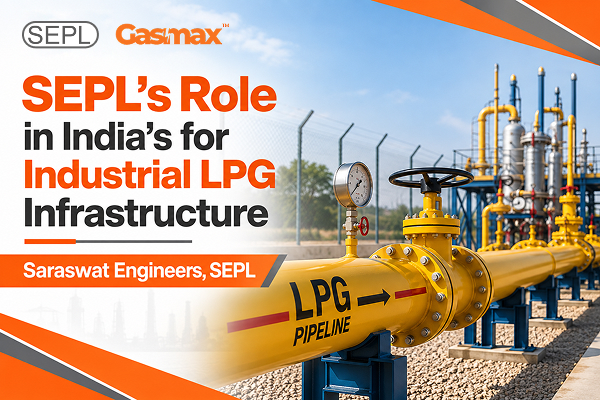
SEPL Role in India's Industrial LPG Infrastructure
Industrial LPG infrastructure needs more than a single piece of equipment. It can include LPG vaporizers, pipeline systems, manifolds, valves, regulat...
17 September, 2026
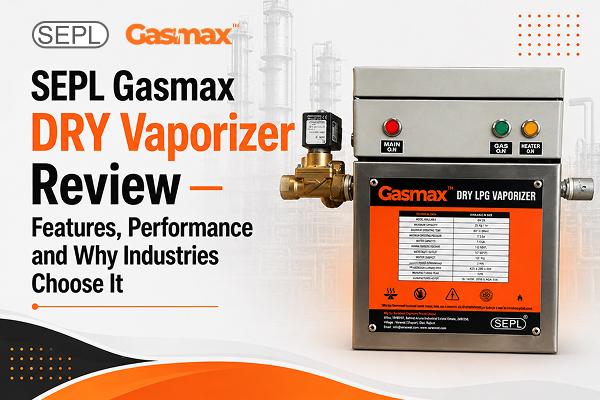
SEPL Gasmax DRY Vaporizer Review — Features, Performance and Why Industries Choose It
The SEPL Gasmax DRY Vaporizer is a dry-type system designed to convert liquid LPG into gas without using a water bath. Saraswat Engineers Pvt. Ltd. (S...
03 September, 2026
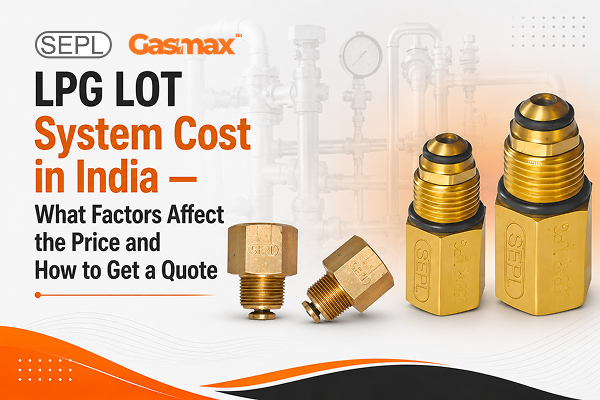
LPG LOT System Cost in India — What Factors Affect the Price and How to Get a Quote
The LPG LOT system cost in India depends on the system design, number of cylinders, manifold accessories, LPG requirements, and project needs. Saraswa...
03 September, 2026
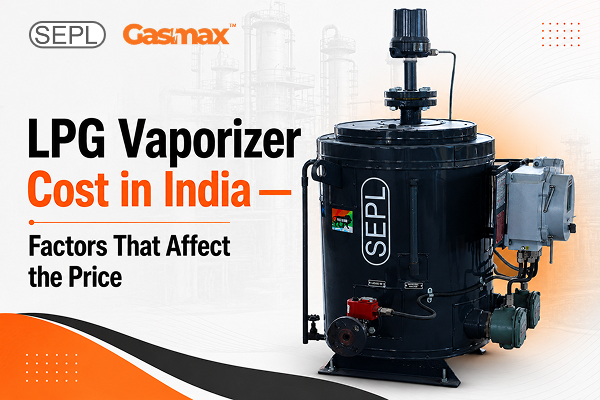
LPG Vaporizer Cost in India — Factors That Affect the Price
The cost of LPG vaporizers in India depends on the vaporizer type, capacity, specifications, safety features, and project requirements. Saraswat Engin...
31 August, 2026
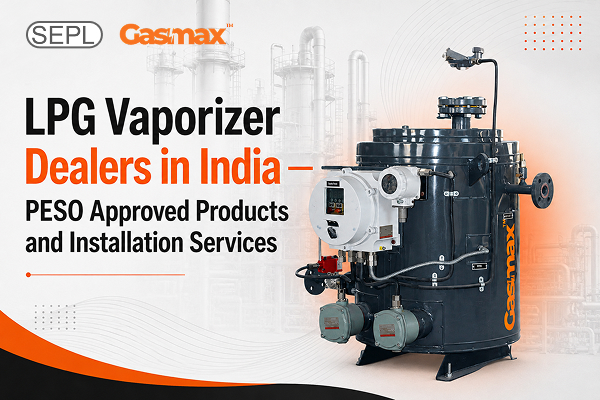
LPG Vaporizer Dealer in India — PESO Approved Products and Installation Services
Choosing the right LPG Vaporizers Dealers matters when an industrial plant needs a steady LPG gas supply. The dealer should provide suitable equipment...
31 August, 2026
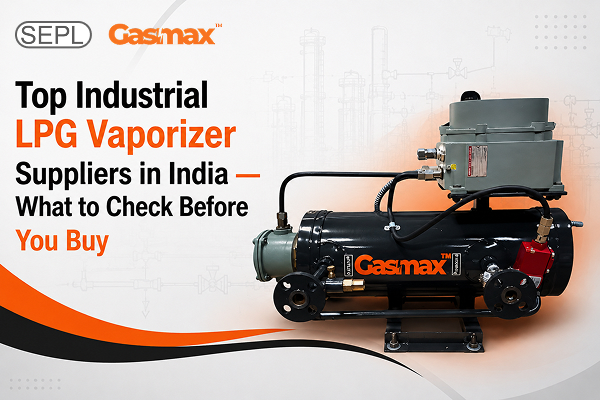
Top Industrial LPG Vaporizer Suppliers in India — What to Check Before You Buy
When a plant requires a constant supply of gas, the selection of the appropriate supplier of an Industrial LPG Vaporizer is important. The supplier mu...
17 August, 2026
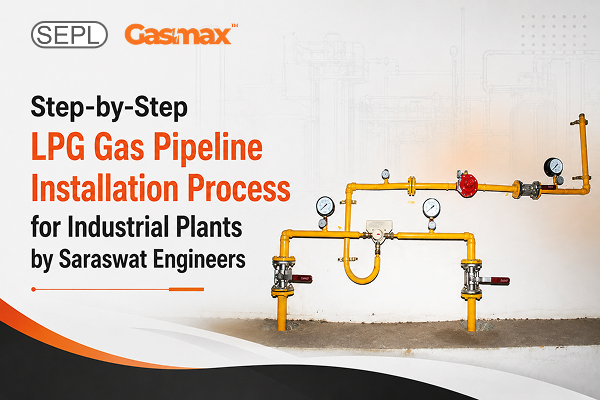
Step-by-Step LPG Gas Pipeline Installation Process for Industrial Plants by Saraswat Engineers
A proper LPG gas pipeline installation helps industrial plants maintain a safe and steady gas supply. Saraswat Engineers Pvt. Ltd. (SEPL) designs LPG ...
17 August, 2026


 Read More